| Location | Bonner Road, Bethnal Green |
|---|---|
| Variety | Nigra |
| Access | Private |
| OS grid reference | TQ 35377 83335 |
| Site class | Notable, Heritage, Veteran, 1850s On 16th C Site |
| Largest height (m) | 6 |
| Largest girth (cm) | 196 @ |
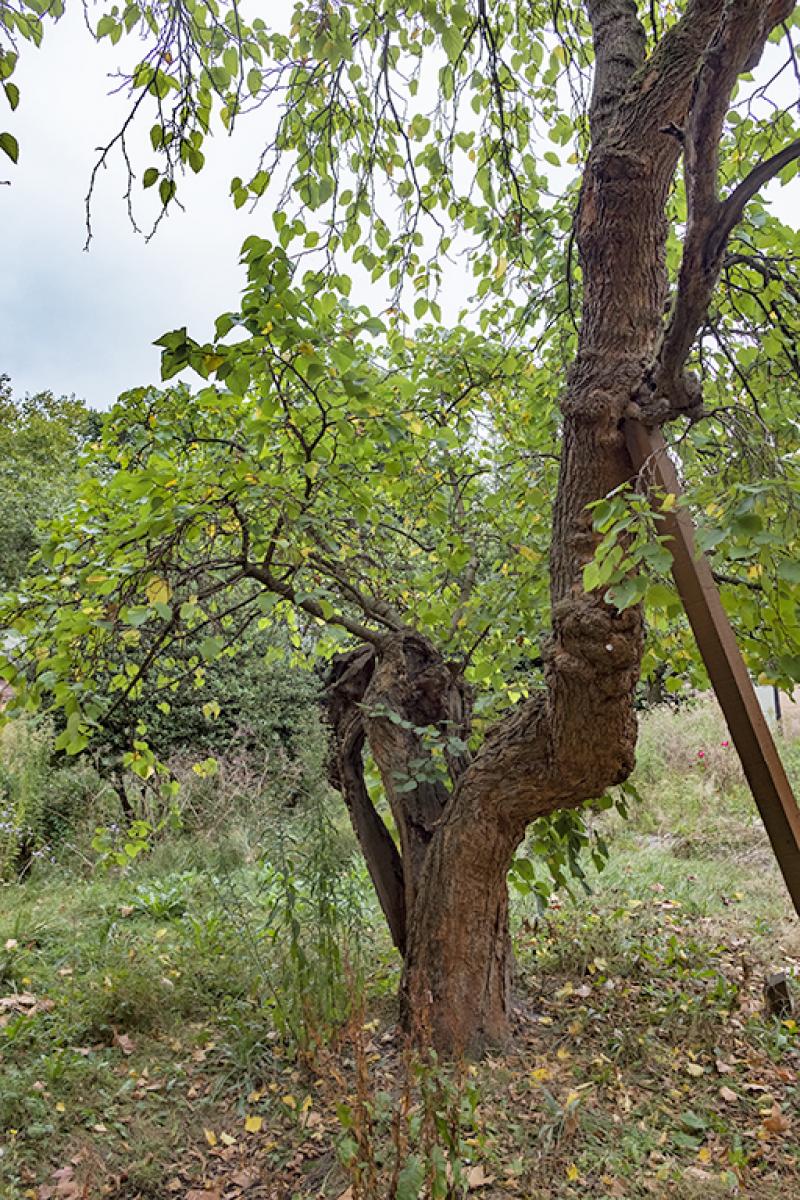
Measured at ground level (1) A veteran tree, now inaccessible as the hospital (opened in 1855) has closed and has been bought for development. The site is surrounded by a high wooden fence. (2) The tree is subject to a preservation order. Photographs suggest it is at least as old as the hospital. (1855 so about 170 years in 2023/ Despite a TPO the tree was scheduled to be moved to another place in site,This was successfully opposed by a local action group and a judicial review has halted thee plans indefinitely. A care plan is now in place to preserve the tree. The tree is on the site of Bonner's Hall, one of the residences of Bishop Bonner (c1500-1569). Bonner was instrumental in helping Henry VIII separate from Rome. After Bonner's death, wealthy landowners lived in the property, but by 1612 it was probably lived in by tenants, possibly including silkweavers and brickmakers. The mansion house was taken down in 1655 and new buildings put up. Further development around 1671. The area was extensively developed in the early 1800's. Bethnal Green parish was the main area for silkweaving (though this doesn't necessarily mean producing and spinning silk). This was the poorest part of London and local people were unhealthy - hence the building of a chest hospital on part of Bonner's Estate. According to local tradition, the tree stood at the entrance to the Palace of Bishop Bonner, "who was wont to sit under it and plan the holocausts of heretical Protestants". There is little chance the mulberry is a survivor of Bishop Bonner's day,. There were once (at least) two mulberries on the site. The other one was in the triangular piece of lawn adjacent to the front entrance. In 1920. Webster in his London Trees, writes that it was then "30 feet high and 30 feet in branch spread, while the stem girth was 4 feet 8 inches (142.2 cm) at a yard from the ground. One of the main branches having rotted through at the elbow, broke from the trunk; but with a little attention in the matter of propping and cementing this tree should last for years." Alas it was not to be and this tree was removed in the 1970s (?).
Find out more at spitalfieldslife.com/2015/04/24/the-oldest-tree-in-the-east-end/

View more mulberry trees

We need your help to update the National Biodiversity Network

Learn the signs to spot a mulberry